
PET BIRD CARE · BEGINNER’S GUIDE
Pet bird care for beginners starts with understanding that every species has its own needs. A healthy daily plan includes a suitable diet, a safe and roomy home, enrichment, patient handling, protection from household hazards, and access to an avian veterinarian. This guide explains the essentials so you can make informed choices and build a consistent routine for your bird.
- Bird care basics
- Food and nutrition
- Safe cage and housing
- Enrichment
- Gentle training
- Home safety
- Health signs and veterinary care
- Daily care routine
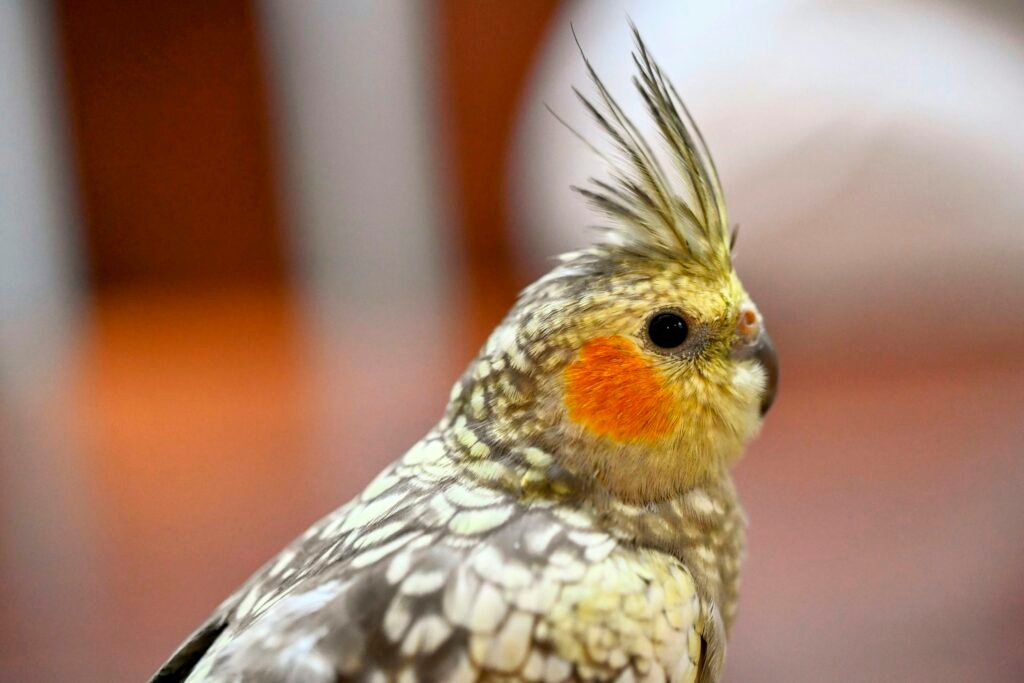
Important: Birds have specialized needs, and a general article cannot diagnose illness or prescribe a species-specific diet. Arrange care with a veterinarian experienced in birds. Seek veterinary help promptly whenever your bird’s breathing, appetite, droppings, balance, or normal behavior changes.
1. Start with species-specific pet bird care
“Pet bird” describes many different animals, not one standard care plan. A budgie, cockatiel, conure, African grey, and lorikeet can differ substantially in diet, activity, social needs, noise, and lifespan. Before bringing a bird home, learn about the needs of that particular species and consider whether your household can provide consistent daily care for years to come. Birds are social and intelligent; they need more than a cage, a food bowl, and occasional attention.
For a newly adopted bird, book an initial check with an avian veterinarian and ask about diet, weight, safe handling, quarantine if other birds live in the home, and a suitable follow-up schedule. The Association of Avian Veterinarians provides bird-owner resources and a directory for finding an avian veterinarian.
2. Choose a balanced diet for your pet bird
Food is one of the most important foundations of long-term health. For many companion parrots, veterinarians commonly recommend a species-appropriate formulated food as the dietary foundation, together with measured portions of fresh vegetables and other suitable foods. The exact balance depends on the bird’s species, age, health, and current diet, so ask your avian veterinarian for an individual plan. Merck Veterinary Manual notes that formulated pellets or crumbles help prevent selective eating, while vegetables and fruit can complement the diet. Seeds can be offered in limited amounts, but should not automatically make up most of a typical parrot’s menu.[1]
Offer fresh, clean drinking water every day. Wash food and water dishes daily, and remove fresh foods before they spoil. Keep a simple record of what your bird actually eats; some birds pick at a new food without swallowing much of it. If you are transitioning from a seed-heavy diet, do it gradually with veterinary guidance. Never assume that a bird is eating a new food just because it is in the bowl.
There is no universal “bird-safe menu.” Nectar-feeding species, for example, have different nutritional requirements from many parrots. Avoid giving vitamin or mineral supplements unless your veterinarian recommends them; supplements can be inappropriate or harmful when used without a clear reason. Keep avocado away from birds, and never offer a food if you are unsure whether it is safe for your bird’s species.[2]
For more on everyday nutrition, explore our guides to healthy bird food choices and what cockatiels eat each day. Check with an avian veterinarian before making major diet changes.
3. Set up a safe, spacious home
Your bird’s enclosure should let it move freely, stretch its wings, climb, and reach food and water without obstruction. Bigger is generally better when the space is safe and practical, but “large” alone is not enough: bar spacing, construction materials, door security, and the bird’s body size and behavior all matter. Ask an avian veterinarian or reputable bird-care professional to help assess a cage before purchase.
Provide several stable perches with varied, bird-appropriate diameters and textures. Place them so droppings do not fall into food or water. Avoid placing every perch at the same height, and leave open room for movement. Use bird-safe toys and inspect them often for frayed fibres, loose parts, sharp edges, or damage. Rotate a few toys at a time so the environment stays interesting without overwhelming a cautious bird.
Put the cage in a calm, social part of the home where your bird can observe family life, while keeping it away from kitchen fumes, drafts, direct harsh sun, and persistent disturbance. Birds need a predictable dark, quiet period for sleep. Ask your veterinarian how to set an appropriate sleep schedule for your bird and household.
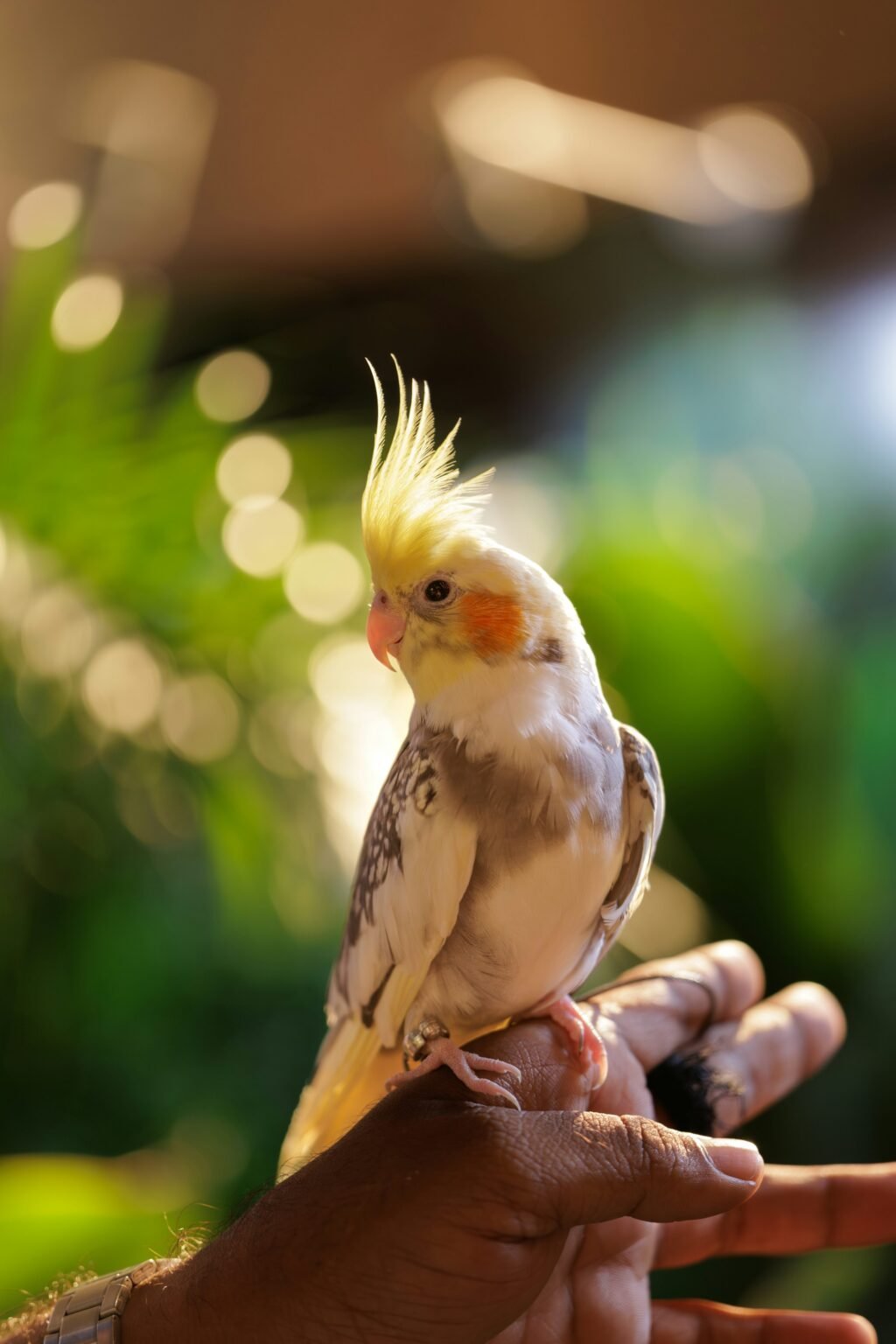
4. Add daily enrichment and exercise
Enrichment gives a bird safe ways to use its senses, move, forage, and make choices. The Association of Avian Veterinarians describes several types of enrichment, including sensory, food-based, manipulative, environmental, and behavioral activities.[3] A practical routine might include a simple foraging opportunity, a short training session, safe out-of-cage exercise, and time to interact at the bird’s pace.
Introduce unfamiliar objects gradually and supervise exploration. Some birds enjoy shredding bird-safe paper or working for part of their food; others need time before they trust a new toy. Enrichment should never depend on frightening, chasing, or forcing a bird. If your bird suddenly stops playing, becomes unusually withdrawn, or shows a new repetitive behavior, speak with an avian veterinarian rather than assuming it is “just boredom.”
5. Use gentle training to build trust
Training can make everyday care easier and strengthen communication. Begin with brief, calm sessions in a familiar place. Reward a small behavior you want to see—such as approaching a hand, stepping onto a perch, or entering a carrier—with a tiny preferred treat or another reward your bird enjoys. Keep sessions short and end before your bird becomes tired or anxious.
Never punish a bird for biting or being afraid. Instead, pause, give it space, and look for what happened immediately before the behavior. A bird may be signaling discomfort, guarding a space, or reacting to an unfamiliar hand. A veterinarian or qualified bird-behavior professional can help if fear, biting, screaming, or feather-damaging behavior persists. For new owners, the video below offers veterinarian-led training ideas; treat it as general education, not a substitute for individual advice.
Watch “How to Train Your Parrot: Vet Tips for Beginners” on YouTube by Pet Circle.
6. Bird-proof your home before out-of-cage time
Supervised time outside the enclosure can provide valuable movement and interaction, but a home can contain hazards that are difficult to notice from a bird’s height. Before opening the cage, close exterior doors and windows, cover or mark large glass surfaces, switch off ceiling fans, keep other pets away, and block access to open water, hot surfaces, flames, electrical cords, and glue traps. Merck Veterinary Manual also warns that common cleaners, sprays, some plants, and certain foods can be dangerous to birds.[2]
Air quality deserves special attention. Birds are sensitive to inhaled toxins. Overheated PTFE-coated non-stick cookware can release fumes and particles that are toxic to birds, and these fumes may be difficult to detect. Keep birds away from kitchen and laundry fumes, smoke, aerosols, fragrances, and chemical sprays; if you suspect a bird has been exposed, move it to fresh air and contact a veterinarian or animal poison service immediately.[4]
7. Spot early changes in your bird’s health
Learn what is normal for your bird: its typical appetite, activity, voice, posture, breathing, and droppings. A simple daily check makes changes easier to notice. Birds may hide signs of illness, so a bird that looks “only a little off” can still need prompt attention. Warning signs include reduced appetite, unusual sleepiness, fluffed feathers, changes in droppings or vocalization, weakness, sitting on the cage floor, discharge from the eyes or nostrils, or labored breathing. VCA advises owners to contact a veterinarian promptly when they notice a deviation from the bird’s normal condition.[5]
Difficulty breathing, collapse, seizures, bleeding, suspected poisoning, or inability to perch should be treated as urgent. Keep the bird warm and quiet while contacting a veterinarian; do not try home remedies or force food or water unless a professional instructs you to do so. Establish a relationship with an avian veterinarian before an emergency, and keep the clinic’s contact details accessible.
8. Keep a simple daily care routine
A predictable routine helps you notice changes and gives your bird reliable opportunities to eat, explore, and interact. Each day, refresh water, offer the planned diet, remove spoiled food, clean food and water dishes, and observe your bird’s behavior and droppings. Schedule safe supervised exercise and enrichment. Regularly inspect perches, toys, cage doors, and the room for hazards. Arrange routine wellness visits with an avian veterinarian; the Association of Avian Veterinarians recommends regular checkups for companion birds.[3]
Consistency matters more than complicated equipment. A clean environment, a suitable diet, patient interaction, and early veterinary attention can make a meaningful difference to a bird’s quality of life.
Recommended video: bird nutrition basics
This educational video from an avian and exotic animal clinic discusses basic nutrition for companion birds. Use it as a starting point, then confirm your own bird’s diet with its veterinarian.
Watch “Nutrition for Pet Birds” on YouTube by Avian and Exotic Animal Clinic.
Frequently asked questions
Can I feed my parrot only seeds?
Do not assume an all-seed diet is balanced. Seeds should not automatically be the main food for a typical companion parrot. Ask an avian veterinarian to evaluate your bird’s current diet and recommend a safe transition plan.
How often should I clean food and water bowls?
Refresh water daily and wash food and water dishes every day. Remove fresh food before it spoils, and clean any spills promptly.
Do all pet birds need the same care?
No. Species differ in diet, size, activity, social needs, and other care requirements. Use general guides for orientation, then rely on species-specific veterinary advice. If you care for a budgie, see our guide to parakeet feeding, housing, and health basics.
When should I contact a veterinarian?
Contact an avian veterinarian promptly if your bird’s normal appetite, droppings, breathing, energy, balance, or behavior changes. Treat breathing difficulty, collapse, seizures, bleeding, or suspected poisoning as urgent.
Final thought: The best bird-care plan is species-specific, safe, and consistent. Start with the basics, observe your bird closely, and make an avian veterinarian your partner in care.
References and further reading
- Merck Veterinary Manual: Feeding a Pet Bird.
- Merck Veterinary Manual: Household Hazards for Pet Birds.
- Association of Avian Veterinarians: Bird Owner Resources.
- VCA Animal Hospitals: Teflon and PTFE Poisoning in Birds.
- VCA Animal Hospitals: Recognizing the Signs of Illness in Pet Birds.
This article is educational and does not replace advice from a veterinarian who has examined your bird. Care recommendations can vary by species and individual health.